Buy belgaweb.be ?
We are moving the project
belgaweb.be .
Are you interested in purchasing the domain
belgaweb.be ?
domain@kv-gmbh.de · 0541-91531010
Buy belgaweb.be ?
Soldiers in World War I
Soldiers in World War I faced harsh conditions in the trenches, including exposure to extreme weather, disease, and constant threat of enemy attacks. They often endured long periods of boredom interspersed with intense moments of combat. Many soldiers suffered from physical and psychological trauma as a result of their experiences in the war. Despite the hardships, soldiers showed great courage and resilience in the face of adversity. **
Why was the First World War a world war?
The First World War was a world war because it involved many of the world's great powers and their colonies, spanning multiple continents. It was not confined to a single region or country, but rather spread across Europe, Asia, Africa, and the Middle East. The conflict also drew in countries from around the world through alliances and treaties, making it a truly global conflict. The war's impact was felt on a global scale, with millions of soldiers and civilians from various countries participating and being affected by the conflict. **


Similar search terms for World War I
Top-Angebote
Products related to World War I:
-
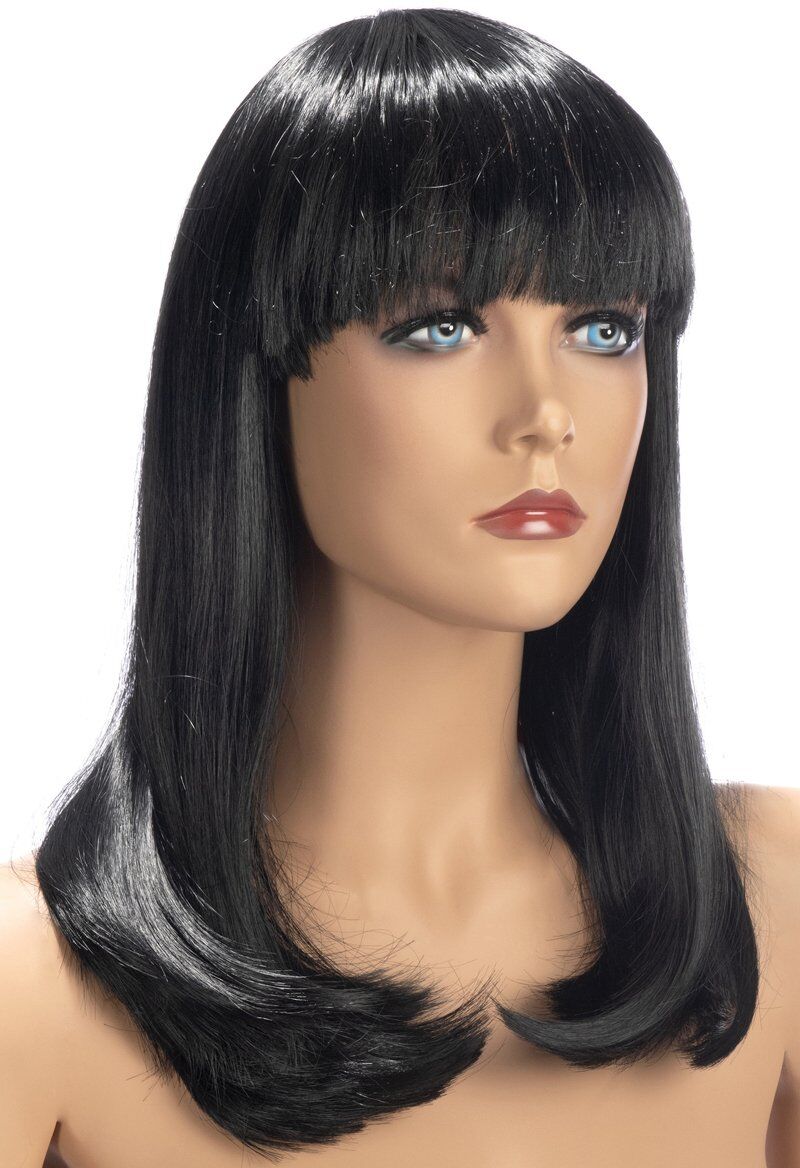
World Wigs Perruque Emma bruneGlisse tes doigts dans la chevelure soyeuse de la Perruque Emma brune. Sens immédiatement sa douceur. C’est léger, c’est fluide, c’est beau. Et cette brillance profonde accroche la lumière comme une promesse discrète.Une allure séduisante 💋Avec la Perruque Emma brune, chaque mouvement de tête69,90 €*Shipping: 0,00 €Secure redirect to the provider
-
World Wigs Filets sous perruquesGlissez délicatement le Filets sous perruques sur vos cheveux avant d’enfiler votre perruque. Simple et rapide. Ce petit geste change tout, offrant une sensation de maintien doux et discret. Vous sentez déjà la différence, légère et agréable.Confort et maintien 🖤Le Filets sous perruques signé World2,99 €*Shipping: 3,90 €Secure redirect to the provider
-
World Wigs Perruque Sophie blondeGlisse tes doigts dans la douce chevelure de la Perruque Sophie blonde. Sens la légèreté. Le blond accroche la lumière, ton regard s’y perd. Une allure sage, un éclat sensuel, tout simplement fascinant.Une allure lumineuse ✨La Perruque Sophie blonde de World Wigs attire les regards par son blond43,90 €*Shipping: 0,00 €Secure redirect to the provider
-
World Wigs Perruque Sophie rousseGlisse tes doigts dans la chevelure flamboyante de la Perruque Sophie rousse et sens tout de suite son charme opérer. Elle attire le regard. Une allure sage, un feu intérieur. C’est cette dualité qui fait tout son pouvoir.Une couleur qui captive 🔥La teinte rousse de la Perruque Sophie rousse signée49,90 €*Shipping: 0,00 €Secure redirect to the provider


-
Did soldiers in World War I and World War II wear ironed uniforms?
Soldiers in World War I and World War II did not typically wear ironed uniforms. Due to the harsh conditions of war, soldiers often had limited access to resources such as irons and were more focused on survival and combat readiness rather than the appearance of their uniforms. Additionally, the nature of warfare in these conflicts meant that uniforms would quickly become wrinkled and dirty in the field, making ironing impractical. Soldiers were more concerned with functionality and practicality rather than the neatness of their uniforms. **
-
What happened in World War I?
World War I, also known as the Great War, was a global conflict that lasted from 1914 to 1918. It was sparked by the assassination of Archduke Franz Ferdinand of Austria-Hungary and involved many of the world's great powers, including the Allies (France, Russia, Britain, Italy, and later the United States) and the Central Powers (Germany, Austria-Hungary, and the Ottoman Empire). The war was characterized by trench warfare, new technologies such as tanks and chemical weapons, and high casualties. It ended with the signing of the Treaty of Versailles in 1919, which imposed harsh penalties on Germany and laid the groundwork for World War II. **
-
Did the same people fight in World War I as in World War II?
No, the same people did not fight in both World War I and World War II. World War I took place from 1914 to 1918, and World War II occurred from 1939 to 1945. Many of the soldiers who fought in World War I were from the older generation, while those who fought in World War II were from a younger generation. Additionally, the alliances and political dynamics of the two wars were different, leading to different countries and individuals being involved in each conflict. **
-
What does readiness for war mean in World War I?
Readiness for war in World War I meant that countries were prepared both militarily and economically to engage in a large-scale conflict. This included having a well-trained and equipped military, a strong industrial base to produce weapons and supplies, and alliances with other countries to ensure support. It also involved developing strategies and plans for various scenarios and being able to mobilize troops and resources quickly when needed. Overall, readiness for war in World War I was about being fully prepared for the challenges and demands of a prolonged and devastating conflict. **


How did the Second World War turn from a European war into a world war?
The Second World War turned from a European war into a world war primarily due to the expansionist policies of Nazi Germany and Japan. Germany's invasion of Poland in 1939 prompted Britain and France to declare war, drawing in their colonies and allies from around the world. Japan's aggressive actions in Asia, such as the invasion of China and the attack on Pearl Harbor in 1941, further escalated the conflict by involving countries in the Pacific and Southeast Asia. The alliances formed between the Axis powers and the Allied powers also contributed to the global nature of the war, as countries from different regions joined the fight on either side. **
'First World War Fighter'
A First World War fighter refers to the aircraft used by various countries during World War I for aerial combat. These fighters were typically small, single-seater planes equipped with machine guns and were used to engage in dogfights with enemy aircraft. Some famous examples of First World War fighters include the British Sopwith Camel, the German Fokker Dr.I, and the French SPAD S.XIII. These fighters played a crucial role in shaping the tactics and strategies of aerial warfare during the conflict. **
Top-Angebote
Products related to World War I:
-
Merlot 'I Klivi' I Clivi 2023I Clivi kweekt en vinifieert Merlot al lange tijd, maar het idee om een label te creëren dat aan de druivensoort in puurheid is gewijd, is een echt recent verhaal: het eerste jaar dat werd gedistribueerd, komt overeen met de oogst van 2020. Het is een druif van onmiskenbare charme en hoge tradities, die Mario Zanusso wil interpreteren volgens de oorspronkelijke Franse filosofie van vinificatie door subtractie: elegantie is een kwestie van eenvoud en eenvoud is een zoektocht die met precisie moet worden afgelegd, zowel in de wijngaard als in de kelder. De druiven voor de productie van de Merlot komen van een wijngaard die I Clivi al lange tijd familiaal cultiveert, bestaande uit een erfgoed van oude wijnstokken die de 80 jaar leeftijd hebben bereikt. Gelegen boven een eiland van klei, vindt men op anderhalve meter diepte een compacte basis van kalksteen: een combinatie die zich precies weerspiegelt in enkele kenmerken van de wijn, zoals de zoutheid en de frisheid. Het perceel ligt in de buurt van de kelder, in het gebied van het dorp van Corno di Rosazzo, in de provincie Udine: het panorama wordt gekenmerkt door de zachte hellingen van de Oostelijke heuvels van Friuli, op een handvol kilometers van de Sloveense grens en net boven de provincie Gorizia en Collio. Het agronomisch beheer is gebaseerd op de richtlijnen van de biologische landbouw, met handmatige bewerkingen en oogst, die in de kelder leiden tot lage opbrengsten van perfect rijpe druiven. Na een delicate persing vindt de alcoholische fermentatie in roestvrijstalen tanks plaats, geleid door alleen inheemse gisten, met gelijktijdige maceratie op de schillen, en ook de malolactische fermentatie vindt spontaan plaats, beide bij gecontroleerde temperatuur. De rijping gebeurt in eikenhouten barriques en duurt 12 maanden, met daaropvolgend bottelen zonder invasieve praktijken. De Merlot van I Clivi heeft een intense robijnrode kleur. De aroma's zijn helder en aangenaam veranderlijk: ingeleid door een klassieke fruitige geur van kleine bosbessen, vergezeld van een bijzonder lymfatische plantaardige nuance, om te eindigen met een extreem territoriale gipsachtige nuance. Ook de proeverij inspireert een idee van levitatie, ondersteund door een strakke frisheid die reageert op de mooie fruitige zachtheid. Authentieke expressie van een tastbare rode wijn van grote finesse.20,20 €*Shipping: 25,00 €Secure redirect to the provider
-
World Wigs Perruque Emma bruneGlisse tes doigts dans la chevelure soyeuse de la Perruque Emma brune. Sens immédiatement sa douceur. C’est léger, c’est fluide, c’est beau. Et cette brillance profonde accroche la lumière comme une promesse discrète.Une allure séduisante 💋Avec la Perruque Emma brune, chaque mouvement de tête69,90 €*Shipping: 0,00 €Secure redirect to the provider
-
World Wigs Filets sous perruquesGlissez délicatement le Filets sous perruques sur vos cheveux avant d’enfiler votre perruque. Simple et rapide. Ce petit geste change tout, offrant une sensation de maintien doux et discret. Vous sentez déjà la différence, légère et agréable.Confort et maintien 🖤Le Filets sous perruques signé World2,99 €*Shipping: 3,90 €Secure redirect to the provider
-
Soldiers in World War I
Soldiers in World War I faced harsh conditions in the trenches, including exposure to extreme weather, disease, and constant threat of enemy attacks. They often endured long periods of boredom interspersed with intense moments of combat. Many soldiers suffered from physical and psychological trauma as a result of their experiences in the war. Despite the hardships, soldiers showed great courage and resilience in the face of adversity. **
-
Why was the First World War a world war?
The First World War was a world war because it involved many of the world's great powers and their colonies, spanning multiple continents. It was not confined to a single region or country, but rather spread across Europe, Asia, Africa, and the Middle East. The conflict also drew in countries from around the world through alliances and treaties, making it a truly global conflict. The war's impact was felt on a global scale, with millions of soldiers and civilians from various countries participating and being affected by the conflict. **
-
Did soldiers in World War I and World War II wear ironed uniforms?
Soldiers in World War I and World War II did not typically wear ironed uniforms. Due to the harsh conditions of war, soldiers often had limited access to resources such as irons and were more focused on survival and combat readiness rather than the appearance of their uniforms. Additionally, the nature of warfare in these conflicts meant that uniforms would quickly become wrinkled and dirty in the field, making ironing impractical. Soldiers were more concerned with functionality and practicality rather than the neatness of their uniforms. **
-
What happened in World War I?
World War I, also known as the Great War, was a global conflict that lasted from 1914 to 1918. It was sparked by the assassination of Archduke Franz Ferdinand of Austria-Hungary and involved many of the world's great powers, including the Allies (France, Russia, Britain, Italy, and later the United States) and the Central Powers (Germany, Austria-Hungary, and the Ottoman Empire). The war was characterized by trench warfare, new technologies such as tanks and chemical weapons, and high casualties. It ended with the signing of the Treaty of Versailles in 1919, which imposed harsh penalties on Germany and laid the groundwork for World War II. **
Similar search terms for World War I
-
World Wigs Perruque Sophie blondeGlisse tes doigts dans la douce chevelure de la Perruque Sophie blonde. Sens la légèreté. Le blond accroche la lumière, ton regard s’y perd. Une allure sage, un éclat sensuel, tout simplement fascinant.Une allure lumineuse ✨La Perruque Sophie blonde de World Wigs attire les regards par son blond43,90 €*Shipping: 0,00 €Secure redirect to the provider
-
World Wigs Perruque Sophie rousseGlisse tes doigts dans la chevelure flamboyante de la Perruque Sophie rousse et sens tout de suite son charme opérer. Elle attire le regard. Une allure sage, un feu intérieur. C’est cette dualité qui fait tout son pouvoir.Une couleur qui captive 🔥La teinte rousse de la Perruque Sophie rousse signée49,90 €*Shipping: 0,00 €Secure redirect to the provider
-
World Wigs Perruque Olivia bruneGlissez vos doigts dans la douceur de la Perruque Olivia brune. Élégante, fluide, sensuelle. Elle attire le regard et souligne chaque mouvement avec naturel. Une touche de mystère se dépose sur votre nuque, et soudain, tout semble différent.Un charme au naturel 💋La Perruque Olivia brune de World59,90 €*Shipping: 0,00 €Secure redirect to the provider
-
World Wigs Perruque Olivia blondeGlisse tes doigts dans la douceur soyeuse de la Perruque Olivia blonde. Sens-la bouger, légère et pleine de vie. Elle attire les regards. Et toi, tu souris déjà. Cette création signée World Wigs t’offre une chevelure lumineuse qui effleure les épaules, avec un tombé naturel et sensuel qui évoque59,90 €*Shipping: 0,00 €Secure redirect to the provider
-
Did the same people fight in World War I as in World War II?
No, the same people did not fight in both World War I and World War II. World War I took place from 1914 to 1918, and World War II occurred from 1939 to 1945. Many of the soldiers who fought in World War I were from the older generation, while those who fought in World War II were from a younger generation. Additionally, the alliances and political dynamics of the two wars were different, leading to different countries and individuals being involved in each conflict. **
-
What does readiness for war mean in World War I?
Readiness for war in World War I meant that countries were prepared both militarily and economically to engage in a large-scale conflict. This included having a well-trained and equipped military, a strong industrial base to produce weapons and supplies, and alliances with other countries to ensure support. It also involved developing strategies and plans for various scenarios and being able to mobilize troops and resources quickly when needed. Overall, readiness for war in World War I was about being fully prepared for the challenges and demands of a prolonged and devastating conflict. **
-
How did the Second World War turn from a European war into a world war?
The Second World War turned from a European war into a world war primarily due to the expansionist policies of Nazi Germany and Japan. Germany's invasion of Poland in 1939 prompted Britain and France to declare war, drawing in their colonies and allies from around the world. Japan's aggressive actions in Asia, such as the invasion of China and the attack on Pearl Harbor in 1941, further escalated the conflict by involving countries in the Pacific and Southeast Asia. The alliances formed between the Axis powers and the Allied powers also contributed to the global nature of the war, as countries from different regions joined the fight on either side. **
-
'First World War Fighter'
A First World War fighter refers to the aircraft used by various countries during World War I for aerial combat. These fighters were typically small, single-seater planes equipped with machine guns and were used to engage in dogfights with enemy aircraft. Some famous examples of First World War fighters include the British Sopwith Camel, the German Fokker Dr.I, and the French SPAD S.XIII. These fighters played a crucial role in shaping the tactics and strategies of aerial warfare during the conflict. **
* All prices are inclusive of VAT and, if applicable, plus shipping costs. The offer information is based on the details provided by the respective shop and is updated through automated processes. Real-time updates do not occur, so deviations can occur in individual cases. ** Note: Parts of this content were created by AI.